Integrating Ideology in Education: Building a Framework for an Inclusive Future
Integrating Ideology in Education: Building a Framework for an Inclusive Future
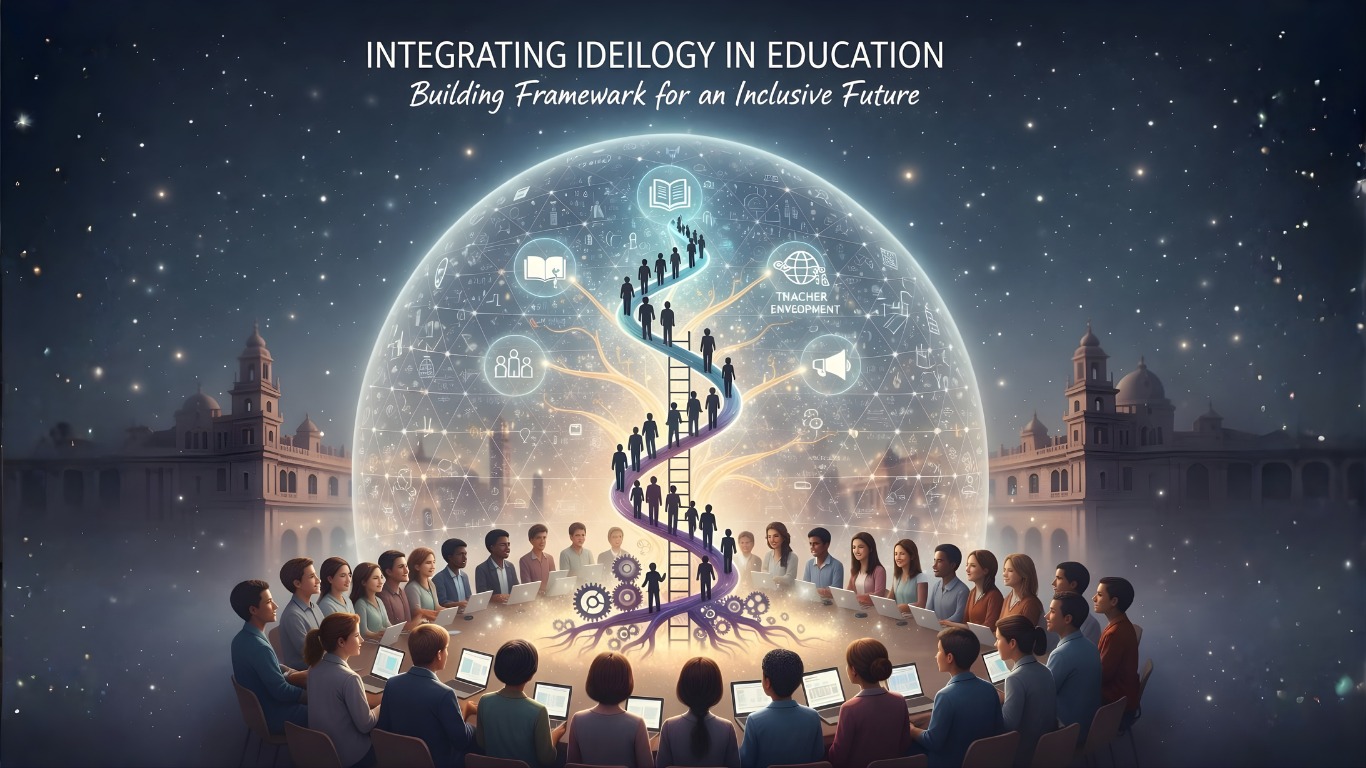
Introduction In today's diverse society, the integration of ideology within the educational framework is essential for fostering critical thinking, inclusivity, and open-mindedness among students. By embedding these ideologies thoughtfully into curricula, teaching practices, and community engagement, we can prepare students to navigate a world rich in perspectives. This blog explores key strategies and examples for effectively integrating ideology into education. Defining Core Ideologies The first step in incorporating ideology into education is to define the core principles that align with your institution's mission. Some essential ideologies include: Critical Thinking: Promoting the ability to analyze information, differentiate between facts and opinions, and engage thoughtfully with various viewpoints. Inclusivity: Creating an environment that values and respects diverse voices, particularly those from marginalized communities, ensuring all students feel represented. Curriculum Development Integrating ideology into the curriculum can be transformative. Here are two examples: Social Studies: Incorporate projects that explore the impact of different political ideologies, such as democracy and socialism, on various societies. Students can analyze historical events through these lenses, fostering a deeper understanding of their relevance today. Literature: Include works by diverse authors from different backgrounds. Encourage students to discuss how these authors' perspectives and ideologies influence their narratives and themes. Teacher Training Educators play a critical role in ideology integration. Professional development initiatives can include: Workshops: Offering training on culturally responsive teaching helps teachers address biases and create an inclusive classroom environment. Peer Collaboration: Encouraging teachers to share successful strategies for integrating ideological discussions enhances collective learning and effectiveness. Inclusive Practices Creating an inclusive classroom should be a priority: Classroom Materials: Utilize textbooks and resources reflecting diverse cultures and histories. For instance, include literature from indigenous authors or LGBTQ+ writers to broaden students' perspectives. Classroom Discussions: Facilitate open discussions that allow students to express their ideologies and relate them to current events or historical contexts. This encourages dialogue and mutual understanding. Community Engagement Engaging with the community adds depth to ideological learning: Parent Workshops: Organize sessions where parents can learn about the curriculum's ideological aspects and how to support discussions at home. Guest Speakers: Invite community leaders with diverse ideological perspectives to speak, enriching students' understanding and fostering meaningful dialogue. Evaluation and Reflection Continuous assessment is vital in ensuring effective integration: Surveys and Feedback: Regularly gauge students' understanding and opinions on ideological topics through surveys, allowing for adjustments and improvements in teaching methods. Reflective Activities: Encourage students to reflect on how their ideologies shape their viewpoints through essays or presentations, fostering personal growth and critical reflection. Conclusion Integrating ideology within educational frameworks is not just beneficial but necessary for nurturing informed, empathetic, and engaged citizens. By defining core ideologies, developing inclusive curricula, training educators, engaging the community, and emphasizing continuous evaluation, we can create an enriching educational environment. As we prepare our students for a complex world full of diverse perspectives, let us commit to fostering open minds and compassionate hearts